
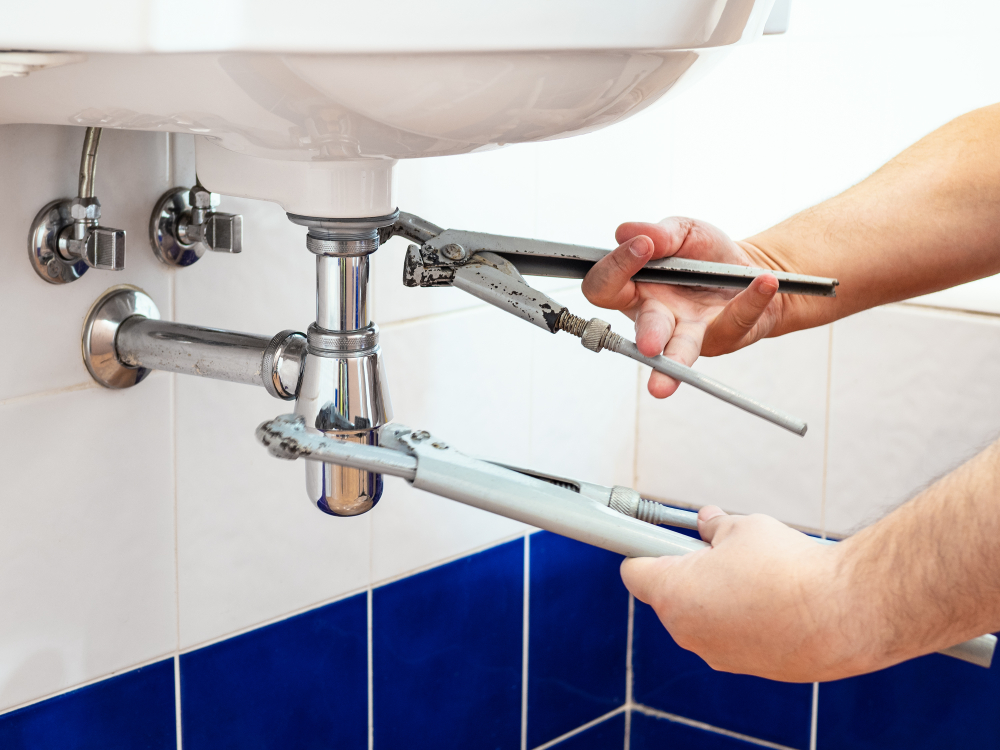

Plumbing is one of the most essential yet often overlooked systems in any home or commercial building. From delivering clean water to safely removing waste, a well-designed plumbing system ensures hygiene, comfort, and functionality in daily life. Understanding how plumbing works, its components, and maintenance needs can help property owners avoid costly repairs and long-term damage.
What Is Plumbing and Why It Matters
Plumbing refers to the network of pipes, fixtures, valves, and fittings that manage water supply and drainage within a structure. Without a properly functioning plumbing system, basic tasks such as cooking, cleaning, bathing, and sanitation become impossible.
Key reasons plumbing is vital include:
-
Health and sanitation by providing clean water and waste removal
-
Structural protection by preventing leaks and water damage
-
Convenience and comfort in everyday household activities
Core Components of a Plumbing System
A standard plumbing system is divided into several interconnected parts, each serving a specific function.
Water Supply System
This system delivers fresh water to fixtures like sinks, showers, and appliances under adequate pressure.
Common elements include:
-
Main water line
-
Shut-off valves
-
Hot and cold water pipes
Drainage and Waste System
This section removes wastewater and sewage from the property while preventing harmful gases from entering indoor spaces.
Key parts include:
-
Drain pipes
-
Traps (such as P-traps)
-
Vent pipes
Plumbing Fixtures
Fixtures are the visible components people interact with daily.
Examples include:
-
Toilets
-
Faucets
-
Bathtubs and showers
-
Water heaters
Common Plumbing Problems Homeowners Face
Even well-installed systems can develop issues over time. Recognizing early signs helps prevent major repairs.
Frequent plumbing problems include:
-
Leaky faucets that waste water and increase bills
-
Clogged drains caused by grease, hair, or debris
-
Low water pressure due to mineral buildup or pipe damage
-
Running toilets that silently waste large volumes of water
Ignoring these issues can lead to mold growth, structural damage, and higher utility costs.
Importance of Professional Plumbing Services
While minor fixes may seem manageable, complex plumbing work requires trained professionals. Licensed plumbers understand local codes, safety standards, and advanced diagnostic methods.
Benefits of hiring a professional plumber:
-
Accurate problem identification
-
Long-lasting repairs
-
Compliance with building regulations
-
Reduced risk of future failures
Professional services are especially crucial for pipe replacements, sewer line repairs, and water heater installations.
Plumbing Maintenance Tips for Long-Term Reliability
Preventive maintenance extends the life of your plumbing system and minimizes unexpected breakdowns.
Simple yet effective maintenance practices include:
-
Avoid pouring grease or food waste down drains
-
Use drain strainers to catch debris
-
Check for leaks under sinks and around fixtures
-
Flush water heaters periodically to remove sediment
Regular inspections help detect small issues before they escalate into expensive repairs.
Modern Plumbing Innovations
Plumbing technology has evolved significantly, offering efficiency and sustainability benefits.
Notable modern advancements include:
-
Low-flow fixtures that conserve water
-
Tankless water heaters for energy efficiency
-
Smart leak detectors that alert homeowners instantly
-
PEX piping for flexibility and durability
These innovations not only save money but also reduce environmental impact.
Choosing the Right Plumbing Materials
Material selection plays a major role in system performance and longevity.
Common plumbing materials:
-
Copper – durable and resistant to bacteria
-
PVC – cost-effective for drainage systems
-
PEX – flexible and easy to install
-
Galvanized steel – older material now less commonly used
Each material has specific use cases, and professional guidance ensures the best choice for your property.
Plumbing Safety and Compliance
Plumbing systems must meet safety and building standards to protect occupants. Improper installations can contaminate water supplies or cause hazardous conditions.
Compliance ensures:
-
Safe drinking water
-
Proper waste disposal
-
Reduced risk of leaks and pipe failures
Always ensure plumbing work adheres to local regulations and is performed by qualified professionals.
Frequently Asked Questions (FAQs)
What is the average lifespan of residential plumbing pipes?
Most pipes last between 20 and 50 years, depending on the material and water quality.
How can I tell if I have a hidden plumbing leak?
Unexplained water bill increases, damp walls, or musty odors often indicate hidden leaks.
Is low water pressure always a plumbing problem?
Not always. It can also result from municipal supply issues or peak usage times.
Can plumbing issues affect indoor air quality?
Yes, sewer gas leaks and mold growth from water damage can impact air quality.
How often should plumbing systems be inspected?
A professional inspection every one to two years is recommended for most properties.
Are chemical drain cleaners safe to use?
Frequent use can damage pipes over time and is generally not recommended.
Does hard water damage plumbing systems?
Yes, mineral buildup can reduce pipe efficiency and shorten fixture lifespan.

Comments are closed.