
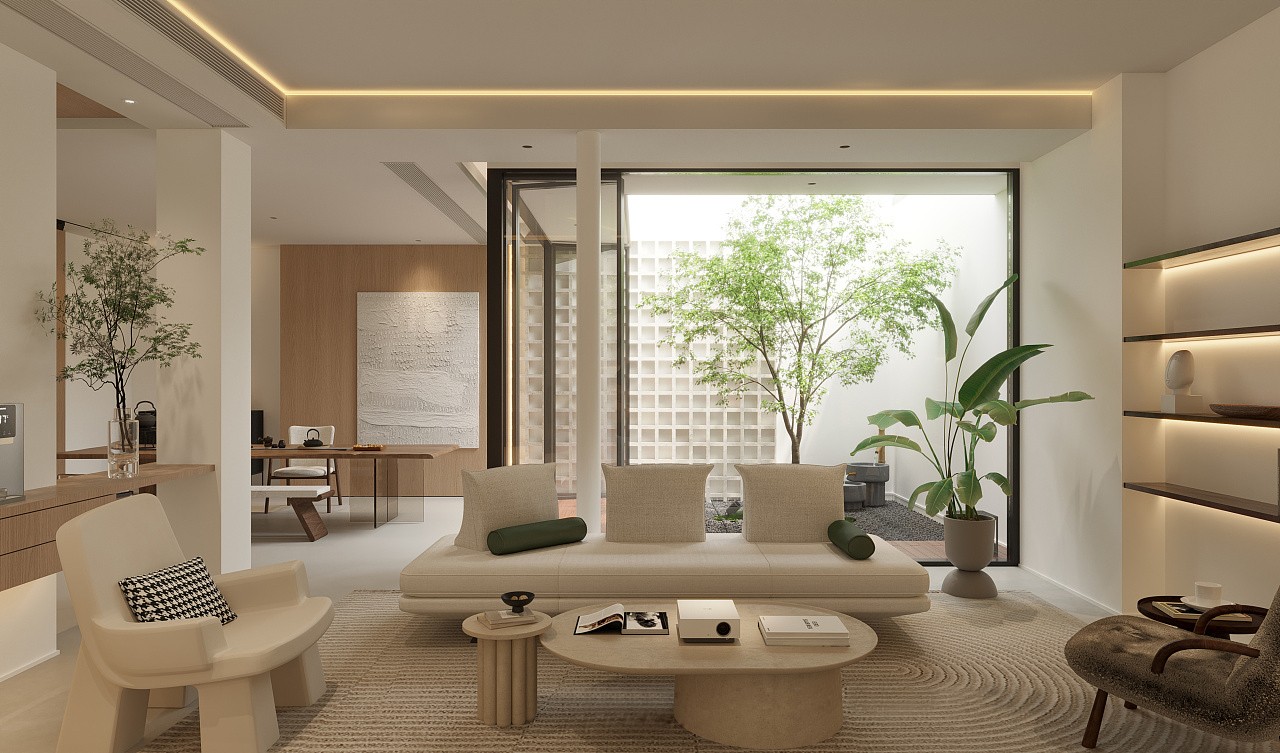

Interior design is the thoughtful process of shaping indoor environments to enhance both aesthetics and functionality. It brings together creativity, technical planning, and an understanding of human behavior to create spaces that feel comfortable, efficient, and visually engaging.
A well-designed interior does more than look appealing. It supports daily activities, improves mood, and adds long-term value to a home or workspace.
What Is Interior Design?
Interior design focuses on improving interior spaces by carefully planning layouts, selecting materials, and coordinating colors, lighting, and furnishings. Unlike simple decoration, it emphasizes how people move, interact, and feel within a space.
Key considerations in interior design include:
-
Space planning and flow
-
Lighting and ambiance
-
Color psychology
-
Comfort and usability
These elements work together to ensure that a space is both attractive and practical.
Core Principles of Interior Design
Strong interiors are guided by foundational principles that help create balance and visual harmony.
Balance
Balance refers to the distribution of visual weight in a room. It can be achieved through:
-
Symmetrical balance, where elements mirror each other
-
Asymmetrical balance, using different objects with equal visual impact
-
Radial balance, where design elements radiate from a central point
Harmony and Unity
Harmony ensures that all elements in a space work together cohesively. Repeating colors, materials, or design motifs helps unify the overall look and prevents visual clutter.
Rhythm
Rhythm creates a sense of movement by guiding the eye throughout the room. This can be achieved through repetition, gradual color transitions, or recurring patterns.
Emphasis
Emphasis highlights a focal point within a space, such as a feature wall, statement furniture, or artwork. A clear focal point gives the room direction and character.
Popular Interior Design Styles
Interior design styles provide structure and inspiration while allowing personal expression.
Modern Style
Modern interiors emphasize clean lines, neutral palettes, and minimal ornamentation. Functionality and simplicity are key characteristics.
Minimalist Style
Minimalist design focuses on simplicity and intentionality. It uses limited colors, uncluttered layouts, and essential furnishings to create calm, open spaces.
Scandinavian Style
Known for its warmth and simplicity, Scandinavian design blends light colors, natural materials, and cozy textures to create inviting interiors.
Industrial Style
Industrial interiors feature raw materials such as exposed brick, metal, and concrete. This style often embraces open layouts and a rugged aesthetic.
Traditional Style
Traditional design draws inspiration from classic architecture and décor. It often includes rich colors, detailed furniture, and timeless elegance.
The Role of Color in Interior Design
Color plays a powerful role in shaping the mood of a space. Warm tones can create energy and comfort, while cool tones promote calmness and relaxation.
Effective color use involves:
-
Choosing a balanced color palette
-
Using accent colors strategically
-
Considering natural and artificial lighting
Understanding how colors interact with light helps designers achieve the desired atmosphere.
Lighting as a Design Element
Lighting is essential for both functionality and ambiance. A well-lit interior combines different lighting layers:
-
Ambient lighting for overall illumination
-
Task lighting for specific activities
-
Accent lighting to highlight features
Proper lighting enhances textures, colors, and architectural details within a space.
Interior Design Tips for Functional Spaces
Thoughtful design choices can significantly improve everyday living.
Practical tips include:
-
Prioritizing comfort and usability
-
Selecting furniture scaled to the room size
-
Maximizing natural light
-
Incorporating smart storage solutions
Designing with intention ensures that a space remains practical without sacrificing style.
Frequently Asked Questions
What is the difference between interior design and interior decoration?
Interior design focuses on space planning, functionality, and structure, while interior decoration emphasizes furnishings, colors, and accessories.
Do small spaces benefit from interior design?
Yes, professional design can make small spaces feel larger, more organized, and highly functional.
How important is lighting in interior design?
Lighting is crucial because it affects mood, visibility, and how colors and textures appear within a space.
Can interior design increase property value?
Well-designed interiors can enhance appeal and functionality, often increasing resale or rental value.
How do I choose the right interior design style?
Start by identifying your lifestyle needs, personal preferences, and the architectural features of your space.
Is interior design only for homes?
No, interior design is applied to homes, offices, retail spaces, hospitality environments, and healthcare facilities.
How often should interior design be updated?
There is no fixed timeline, but updates are often done when functionality changes or when a space feels outdated or inefficient.

Comments are closed.