
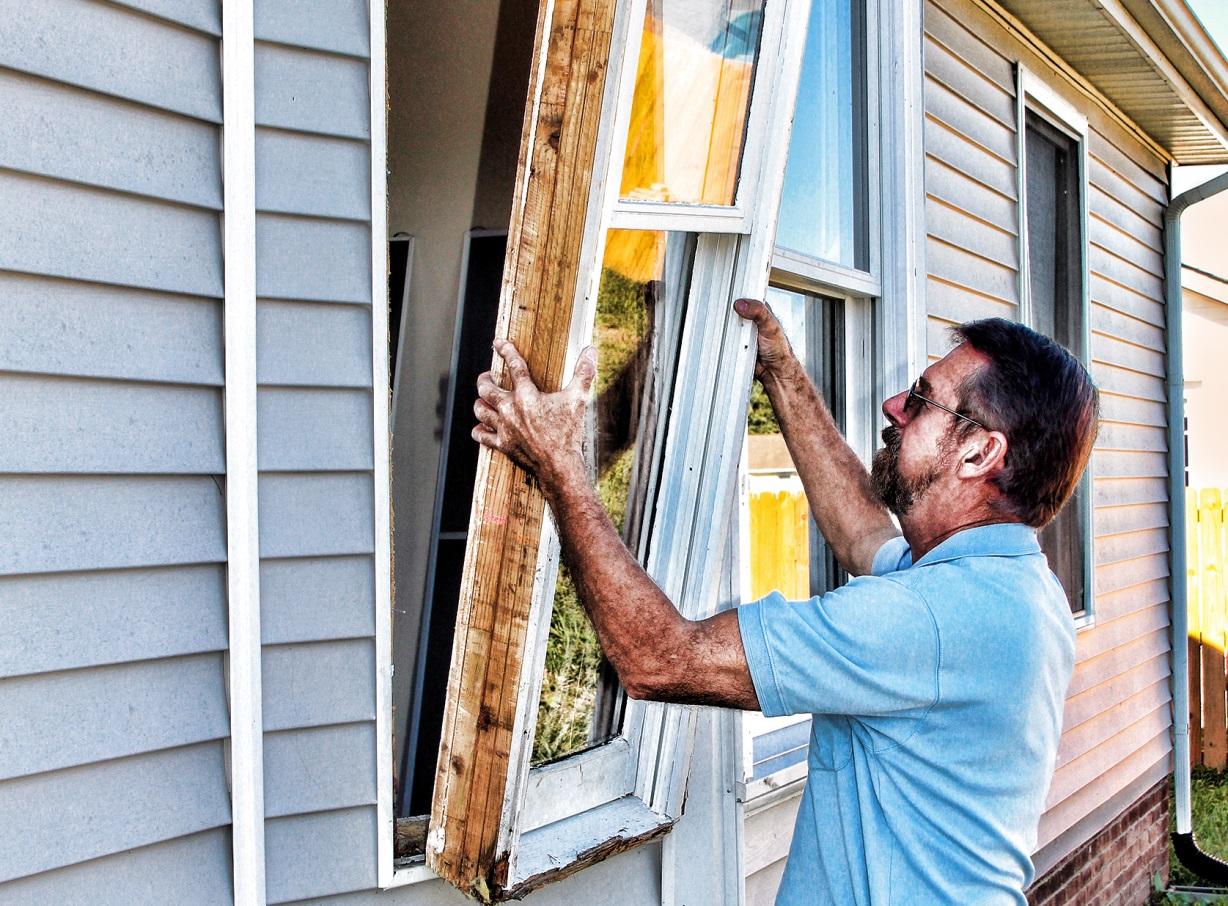

Windows play a central role in defining the comfort, efficiency, and atmosphere of a home. Many older homes still have their original windows, which may have a charming appearance but often lack the energy efficiency and durability needed for modern living. Old window replacement has become more than just a home improvement project—it is an investment in sustainability, comfort, and long-term cost savings. Homeowners who take the step to replace outdated windows often discover a remarkable transformation in both their living space and their monthly utility expenses.
The Importance of Replacing Aging Windows
Old windows are often a source of hidden energy loss in a home. Many were designed at a time when insulation standards were lower, and materials were less advanced. Wooden frames may rot, aluminum frames may conduct heat, and single-pane glass provides almost no insulation. This results in drafts, temperature fluctuations, and a constant strain on heating and cooling systems.
Old window replacement addresses these issues by introducing modern designs that incorporate double or triple panes, low-emissivity coatings, and insulated frames. These upgrades create a significant barrier against outdoor temperatures, reducing the need for artificial heating and cooling. For families aiming to lower their carbon footprint, replacing old windows is a practical step toward more sustainable living.
Beyond energy performance, replacing aging windows enhances indoor comfort. Drafts and condensation are minimized, noise pollution is reduced, and natural light flows more evenly into the home. The simple act of upgrading windows changes the overall atmosphere of the interior, making it more inviting and pleasant.
The Long-Term Benefits of Old Window Replacement
Homeowners often hesitate when considering major improvements, but old window replacement offers tangible long-term benefits that outweigh the initial investment. One of the most immediate advantages is the reduction in energy bills. By sealing leaks and improving insulation, homes require less electricity or fuel for heating and cooling. Over time, these savings can be significant enough to offset the installation costs.
Another major benefit is the increase in property value. Modern buyers are highly interested in sustainable features, and energy-efficient windows are considered a valuable selling point. A home with recently replaced windows not only looks more attractive but also appeals to buyers who want lower maintenance and reduced operating costs.
Maintenance requirements are also reduced with modern windows. Unlike older designs that may need constant painting or repair, today’s materials are built to last. Vinyl and fiberglass options resist warping, fading, and rotting, which means less effort for homeowners over the years. By choosing old window replacement, families can eliminate the ongoing cycle of patchwork repairs and focus instead on enjoying a home that performs reliably.
For those who value sustainability, modern replacement windows are often manufactured with eco-friendly processes and recyclable materials. This ensures that the upgrade contributes to a greener planet while improving the quality of daily life.
Choosing the Right Approach to Old Window Replacement
Not all windows are created equal, and selecting the right products and professionals for the job makes a big difference in results. Homeowners should first consider the architectural style of their property. Old window replacement does not mean sacrificing character; many manufacturers create designs that replicate historic details while incorporating modern energy-saving features.
Climate plays another key role in decision-making. For homes in colder regions, insulated frames and triple-pane glass may be the best choice, while those in warmer climates might prioritize UV protection and ventilation. Consulting with professionals ensures that the chosen windows meet the specific needs of the property and environment.
Installation quality is just as important as the windows themselves. Even the most advanced window designs will not perform well if improperly fitted. This is why working with skilled installers who specialize in old window replacement is essential. A precise installation eliminates gaps, ensures weatherproofing, and guarantees that the investment delivers its full potential.
The Role of Professional Guidance in Window Upgrades
While some homeowners may be tempted to attempt old window replacement as a do-it-yourself project, professional guidance offers peace of mind and higher quality results. Certified installers bring experience that reduces the risk of mistakes, such as improper sealing or frame misalignment. They can also provide recommendations on the best products for the home’s design and environmental conditions.
Professional services often come with warranties that protect homeowners against defects or issues in the years following installation. This added security ensures that the investment is not only practical but also protected. With expert guidance, families can transition smoothly from inefficient, outdated windows to modern replacements that improve every aspect of their living environment.
Old Window Replacement as a Step Toward Sustainable Living
The decision to replace old windows is about more than aesthetics or comfort—it is about adopting a sustainable lifestyle. Energy-efficient windows reduce reliance on artificial heating and cooling, directly lowering greenhouse gas emissions. The materials used in modern designs often come from sustainable sources, and many are fully recyclable at the end of their lifespan.
Sustainability also extends to financial health. Lower utility bills, reduced maintenance costs, and increased property value all contribute to long-term stability. Homeowners can feel confident knowing that their decision aligns with both environmental responsibility and practical financial planning.
For those living in older homes, old window replacement bridges the gap between preserving history and embracing the future. Architectural charm can be maintained while enhancing performance, proving that sustainability does not require compromise. Instead, it transforms a home into a space that is efficient, comfortable, and ready to meet the demands of modern living.

Comments are closed.